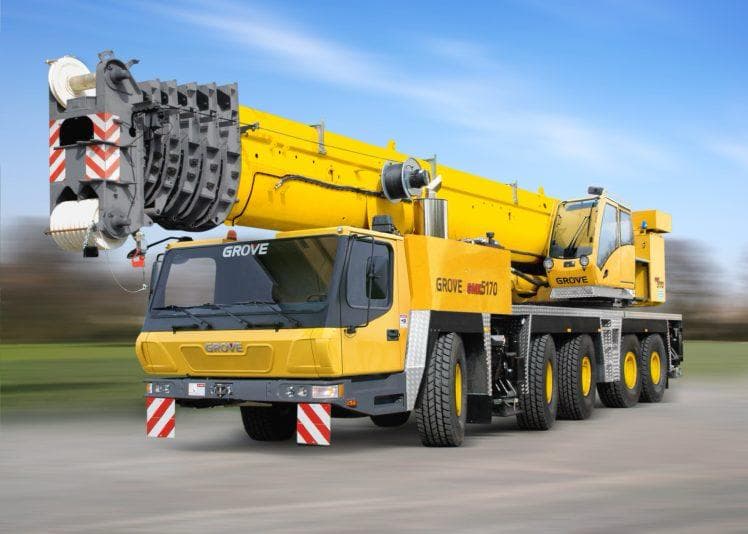
Short answer: most crane accidents come from a short list of causes — the load is heavier than the crane can take at that radius, the ground gives way under an outrigger, the boom touches an overhead power line, wind catches the load, rigging fails, or someone is under the load. Each has a known control: a lift plan with checked weights and radius, outrigger mats on prepared ground, exclusion zones around power lines, wind limits, inspected rigging, and a barricaded lift area.
| Hazard | What goes wrong | Control measure |
|---|---|---|
| Overload | Load or radius exceeds the load chart | Confirmed load weight, measured radius, lift plan checked against the crane's chart |
| Ground failure | Outrigger sinks into soft, backfilled, or hollow ground | Firm level set-up, outrigger mats, check for buried services and voids |
| Overhead power lines | Boom or rope contacts or arcs to a live line | Survey before set-up, exclusion distance agreed with the utility, isolate where possible |
| Wind | Gusts swing large loads or overload the boom | Wind limits from the crane maker, anemometer reading, stop when exceeded |
| Rigging failure | Sling, shackle, or hook damaged or under-rated | Certified, inspected lifting gear, correct sling angle, no makeshift rigging |
| People under the load | Load or part of it falls | Barricaded exclusion zone, tag lines, no one under a suspended load |
| Poor communication | Operator misreads a signal or loses sight | One trained signaller, agreed signals or radios, stop if unclear |
| Heat | Fatigue and errors in summer | Early starts, rest breaks, the midday outdoor work break |
Before the Lift
- ✓Know the weight: from the delivery note, drawing, or nameplate — not a guess.
- ✓Plan the lift: crane position, radius, boom length, rigging, and landing point, checked by a competent person.
- ✓Prepare the ground and check for buried pipes, cables, and backfilled trenches under the outriggers.
- ✓Check overhead lines, structures, and the swing path.
- ✓Hold a pre-lift briefing with the operator, signaller, and riggers.
During the Lift
- ✓Lift a few centimetres first and stop, to check balance, rigging, and the crane's stability.
- ✓Keep the exclusion zone clear and use tag lines to control the load.
- ✓Move smoothly; avoid sudden swings or stops.
- ✓Stop if the wind picks up, the ground moves, or anyone is unsure.
Site rules, permits, and lifting plan requirements vary by client and project; always follow the site's own procedures and the crane maker's instructions. Abdul Masood Trading supplies 25 and 50 ton mobile cranes with experienced operators and the crane's documents for your site's permit process.
Related Pages
Need Equipment for Your Next Project?
Talk to our team for a quote on cranes, tippers, boom loaders, forklifts, excavators, JCBs, or wheel loaders anywhere in Oman.
Request a Quote on WhatsAppCall +968 7928 8727